Fashion sales without the impulse buy
A repeatable method for ASOS, H&M and Zalando markdowns across European markets.
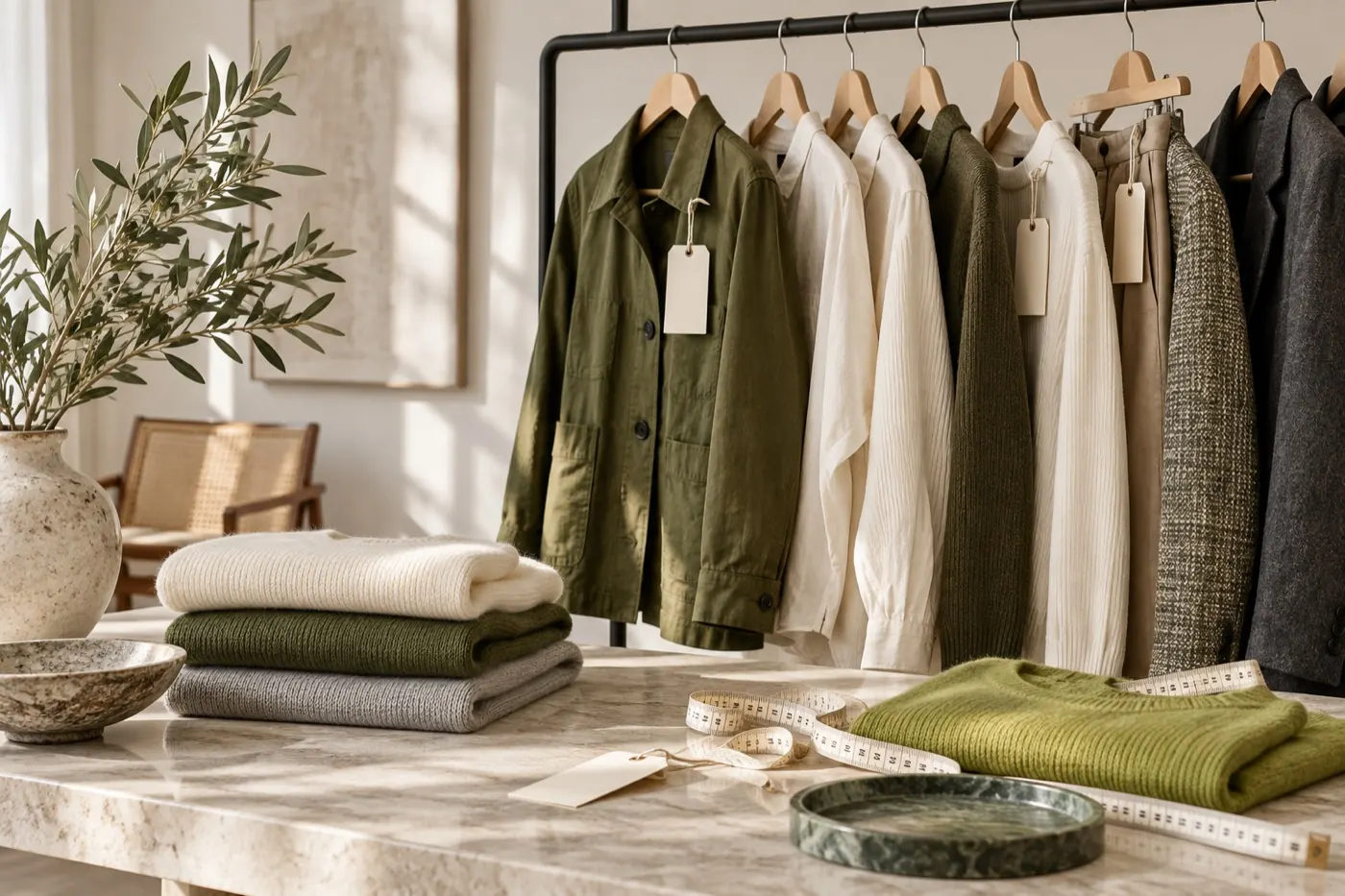
Fashion retailers often run overlapping sale sections, app offers and member benefits. Availability differs by country and item, so start with the garment you need and test the final price in your local storefront.
Build a useful shortlist
Write down size, fabric, colour and maximum price before opening a sale page. Search the exact item across ASOS, H&M and Zalando where available. Check the product code to avoid comparing similar-looking but different garments. A narrow shortlist makes a temporary discount less persuasive when the item is wrong.
Read the promotion terms
Check whether a code applies to sale items, selected brands, new accounts or app orders only. Member prices and newsletter offers can be useful, but calculate the price after any conditions. Some codes cannot be combined with sale markdowns. The checkout total is the source of truth.
Account for returns
Sizing and return costs can erase a discount. Read the local return window, whether sale items are eligible, and whether the return label is free. If uncertain, compare size charts and garment measurements rather than ordering several sizes by default.
Track a real reference price
Save the product link and the current price. If the item is seasonal, revisit it after a few days or during an announced sale, while accepting that your size may sell out. Buy when the item, terms and delivered price meet your original limit.
Use a cost-per-wear test
Think about how often you will wear an item and what you already own that works with it. A heavily reduced special-occasion piece worn once can be poorer value than a moderately priced everyday garment. Check fabric composition and care instructions; a low price is less useful if upkeep is inconvenient or costly. Keep a list of genuine wardrobe gaps to guide sale browsing.
Make sizing part of the deal
Look at the retailer's measurements for the specific garment, not only the letter size. Compare them with a similar item you own. Read reviews for comments about fit and fabric, while allowing for personal variation. Before ordering, check local return eligibility, deadline and cost. A code that excludes returns or a final-sale item creates a different level of risk.
Compare channels carefully
A brand may show a different price in its app, member account or local website. Use the same country, size and colour in each channel, then calculate the delivered price. A newsletter discount may require a first order or exclude sale stock. If a promotion cannot be combined with an existing markdown, test both routes and choose the lower total.
Inspect quality signals online
Zoom in on seams, lining, closures and fabric texture. Product descriptions can clarify whether a garment is machine-washable, lined or made from a blend that behaves differently from the fabric you expected. Reviews may reveal pilling, transparency or shrinkage, though one review is not conclusive. If the item is a wardrobe staple, quality and care requirements matter over many wears and can outweigh a small difference in checkout price.
Use a personal price ceiling
Set the maximum you would pay for a specific item before seeing a sale percentage. This avoids treating a high reference price as proof of value. If a coat was outside your budget at 200 units and is now 140, it still may be above your limit. Compare similarly constructed items and the cost of alterations or special cleaning. A good purchase should fit both your budget and your wardrobe.
Plan returns before ordering
Keep packaging and proof of purchase until you have tried the item with the clothes and shoes you would actually wear. Check the local return deadline and process for online orders. If you bought several sizes, return the unwanted ones promptly so the temporary charge does not strain your budget. When return shipping is paid, include that possible cost in the decision to order a risky size.
A worked example
A jacket priced at 80 units falls to 56 in a sale. A separate 15% code appears attractive, but if it excludes sale items the checkout stays at 56. Another store sells the same jacket for 60 with free delivery, while the first charges 7 shipping. The second store is cheaper by three units before considering return terms. Compare the exact size and product code.
Common questions
Can I combine a sale price with a code?
Sometimes, but exclusions vary by retailer, country and campaign. Apply the code to the actual item and judge the final checkout total.
Should I buy a different size because it is discounted?
Only if the garment's measurements and return terms make it a realistic choice. A discount cannot fix a poor fit.
Offers, availability and terms can change. This guide does not list coupon codes. Always verify the price and conditions on the retailer's checkout page.
Official sources
Use these pages to check current terms: